
Brazil Show Signs of Improvement with Convincing 3-0 Win Over Haiti
After being held to a draw in their opening match against Morocco, Brazil looked like a transformed side as they cruised to a 3-0 victory over Haiti. All three goals came in the first half, reflecting the positive impact of Carlo Ancelotti's tactical adjustments.
By Gautam Ray
After being held to a draw in their opening match against Morocco, Brazil looked like a transformed side as they cruised to a 3-0 victory over Haiti. All three goals came in the first half, reflecting the positive impact of Carlo Ancelotti's tactical adjustments.
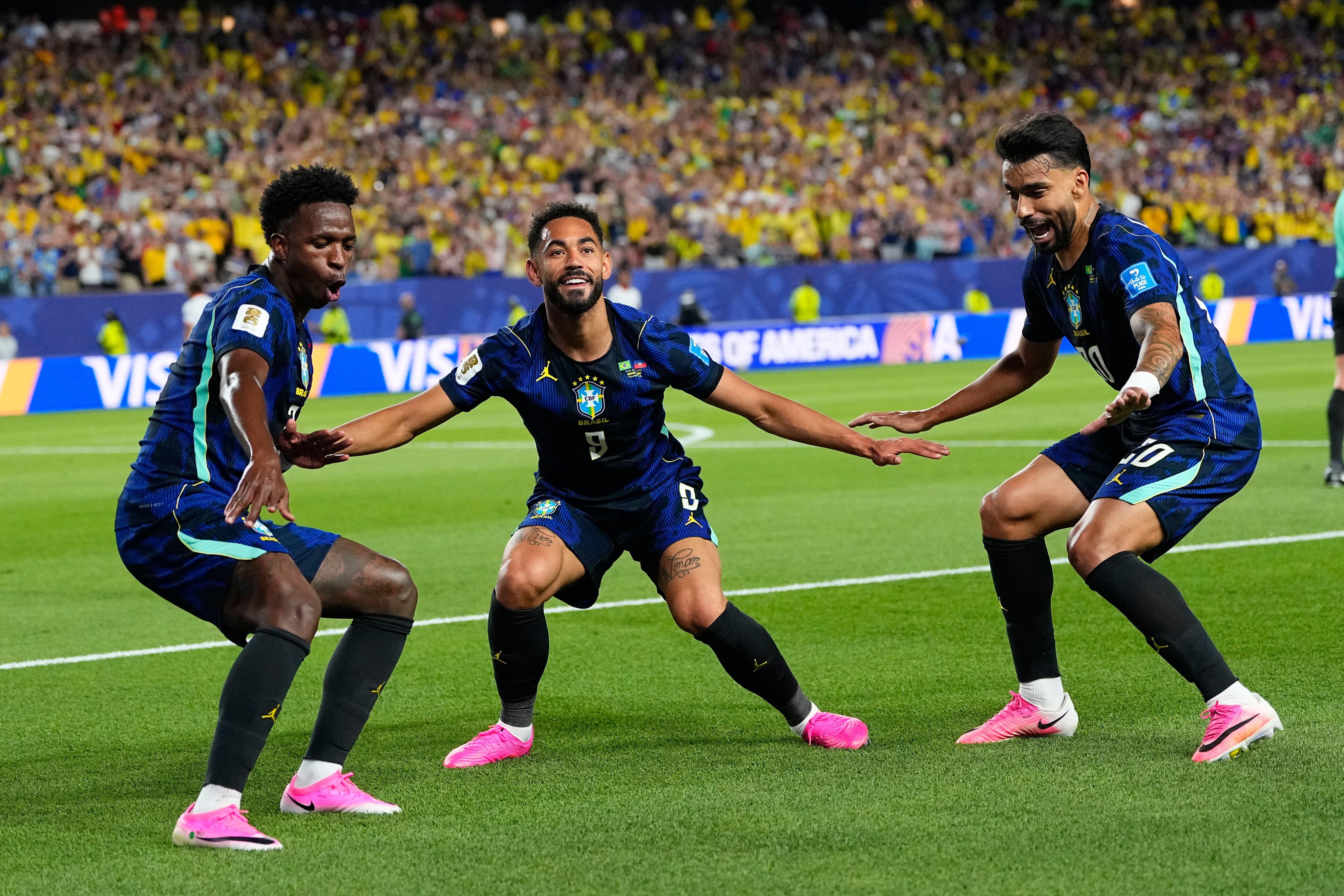
Among the changes made by Ancelotti, the decision to start Matheus Cunha in place of Thiago proved highly effective. Cunha made his presence felt almost immediately. When Vinicius Junior's shot was parried by the Haitian goalkeeper, a defender attempted to clear the rebound. However, Cunha reacted quickly, and the clearance ricocheted off him and into the net to give Brazil the lead.
Cunha was involved again in Brazil's second goal. After Vinicius received the ball in an advanced area, Cunha made an intelligent diagonal run that completely unsettled the Haitian defence. Creating space brilliantly for himself, he met Vinicius' pass and guided the ball perfectly inside the near post, leaving the goalkeeper with no chance.
For much of the first half, Vinicius Junior was orchestrating Brazil's attacks. Eventually, he got on the scoresheet himself. Lucas Paquetá provided the assist, and the Real Madrid star calmly slotted the ball through the goalkeeper's legs to make it 3-0.
With Brazil three goals ahead at halftime, many expected a flood of goals in the second half. However, Raphinha's injury appeared to alter Ancelotti's approach. The winger may have suffered a hamstring problem, and if that proves to be the case, it could become a concern for Brazil. As a result, Ancelotti adopted a more cautious strategy, and Brazil gradually became more conservative.
The substitutions also reflected this mindset. Introducing Endrick had a practical purpose as well. With Brazil comfortably ahead, it was an ideal opportunity to give valuable match time to one of the country's most promising teenage talents. Similarly, withdrawing Vinicius made sense, allowing him to conserve energy for more demanding challenges ahead.
Brazil may not yet have rediscovered the full rhythm and flair traditionally associated with samba football, but there were certainly flashes of it, particularly in the first half. The variety and creativity of their attacking play often resembled the Brazil of old.
However, there were still areas of concern. While Brazil looked impressive in possession, they appeared far less convincing whenever they lost the ball. Haiti's players frequently found significant space in midfield when they regained possession. If Brazil continue to allow opponents such freedom, stronger teams such as Germany, France, or Argentina could punish them severely.
It is also important to remember that Haiti are currently ranked 83rd in the world. Brazil will need to improve further, especially in their defensive transitions, if they are serious about lifting the World Cup trophy for a record sixth time.