
HIL Has Returned, But Financial Crisis Threatens Its Future
The seriousness of the situation was reflected in the recent meeting involving Sports Minister Mansukh Mandaviya, Hockey India officials and HIL franchise stakeholders. The discussions focused on finding a way to address the league’s difficulties and create a more sustainable model for its future.
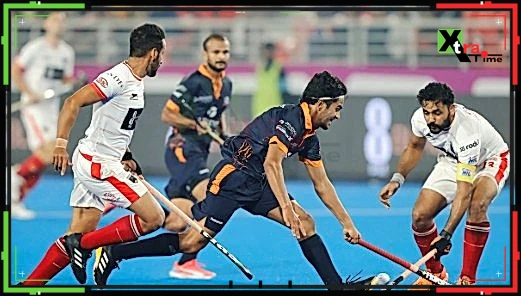
Xtratime Webdesk: The Hockey India League was brought back for the 2024–25 season after a seven-year absence, carrying with it hopes of giving Indian hockey the professional push it had been missing. The league was meant to create a platform where Indian players could compete alongside some of the best international names, gain experience, and build their skills in a high-pressure franchise environment.
But a league of that importance cannot survive on sporting ambition alone. The HIL is now facing financial and administrative challenges, raising questions about how smoothly it can continue. Reports of financial pressure, franchise concerns, and uncertainty around the league’s future underline a larger issue: Indian hockey needs a stronger structure around its biggest domestic professional competition.
The seriousness of the situation was reflected in a recent meeting involving Sports Minister Mansukh Mandaviya, Hockey India officials, and HIL franchise stakeholders. The discussions focused on finding a way to address the league’s difficulties and create a more sustainable model for its future.
This is where governance becomes crucial. A properly structured governing body or council could provide greater clarity on finances, franchise commitments, player payments, scheduling, and long-term planning. Instead of dealing with problems season by season, the HIL needs a system capable of protecting the league’s future.
The importance of the HIL goes beyond the franchise teams. Its real value lies in creating a bridge between Indian hockey and the international game. Indian players get to share the field with overseas stars, while young talents get an opportunity to learn in an environment that is closer to the highest level of professional hockey.
The revival in 2024–25 showed that there is still an appetite for a major domestic hockey league. The next challenge is making sure that revival becomes sustainable. For Indian hockey, the HIL should not be treated as just another tournament on the calendar. It should be built as a long-term professional institution—one where sporting ambition is supported by financial stability, transparent governance, and a clear vision for both Indian and international players.