
The Injury Cloud Over India Refuses to Lift as Kishan Misses Third T20I
India’s winning run against New Zealand may be gathering momentum, with a 2-0 lead in the five-match T20I series, but there is a concern away from the results that continue to follow the team. The injury problem refuses to disappear, and Ishan Kishan's latest setback has once again highlighted how fitness issues are beginning to interfere with India's plans.
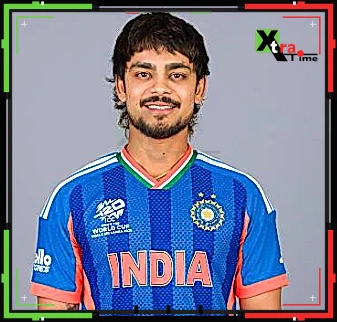
Xtratime Webdesk: India’s winning run against New Zealand may have continued, as they gained a 2-0 lead in the five-match T20I series, but the injury concerns around the team refuse to die down. Ishan Kishan's latest setback has once again highlighted how fitness issues have clouded the Indian team for the better part of the year.
Kishan has been ruled out of Tuesday's third T20I in Wellington after failing to regain full match fitness following a low-grade right adductor strain suffered during the series opener. The BCCI has confirmed that the wicketkeeper-batter is recovering well, with the medical team continuing to monitor his progress. His absence is being treated as a precaution rather than a major setback, but it nevertheless creates a big problem for India.
Kishan missed the second T20I as Kumar Kushagra was brought into the squad as cover. Vaibhav Sooryavanshi was finally given an opportunity in the playing XI as the 15-year-old batter played No.3 in the 2nd T20I. With Kishan still unavailable, India once again have to assess their batting and wicketkeeping combination before the Wellington game.
The issue, therefore, is not simply about one player being unavailable. Every fitness concern creates another selection decision, another adjustment and another test of India's squad depth. Sooryavanshi coming at No.3 in the second T20I, for instance, opened up a fresh debate over how India should balance their top order in Kishan's absence.
India's schedule has been demanding, with the team involved across formats and different competitions, and several players have recently been working their way back from injuries.
Kishan's situation is therefore another reminder that maintaining fitness is becoming almost as important as managing form. India have enough depth to absorb individual absences, as the 2-0 series lead demonstrates. But with more cricket still ahead, the challenge will be to ensure that these recurring fitness interruptions do not become a larger problem.
For now, India remain in control. Yet the injury cloud refuses to lift, and the longer it lingers, the more it threatens to disrupt the team's carefully built combinations.